
INTRODUCTION: PERFORMANCE ART
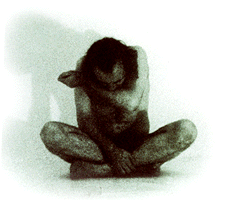
Throughout the twentieth century artists have used their body as an artistic medium, and this practice became a dominant force in the creative expression in the 1960's and 1970's with Performance art. Performance art is a general term that applies to an extremely broad range of categories such as film/video, dance, music, and spoken word, elements of which are often combined within a single piece. Other terms used to define performance art are body art, action art, live art, or temporal art because the artist is physically expressing concepts and ideas with their body, the events take place in "real time" and for this reason only exist temporarily.
The roots of performance can be found in theater, dance, literature, ancient spiritual and religious rituals, and cross-cultural traditions of body adornment and manipulation. However, contemporary performance art finds its most specific origins in the work of avant-garde artists (Marcel Duchamp) and movements of the twentieth century such as Dada, Fluxus, and Happenings of the late 1950's (Claes Oldenburg, Allan Kaprow and Jim Dine).
Performance art is intentionally confrontational, spontaneous, improvisational, and usually requires the presence of an audience who often becomes part of the work. Similar to Conceptual art, Performance art is not concerned with the art object of finished product but rather the creative process and issues raised as a result of witnessing the event.
Additionally, many performance works were documented through video, film and photography. However, like some aspects of conceptual art, these byproducts are usually nothing more than evidence of the event having taken place. We can observe photographs of Vito Acconci pulling the hairs from his navel, or we can buy a can of chocolate frosting that Karen Finley used to smear over her body, and we can discuss the reasons why an audience licked jelly off a Volkswagen, but we can never physically view these works, since we were not there.
 This
becomes complicated by the fact that artifacts from performances are often
collected and valued as works of art. Whether they are works of art
or souvenirs is a matter of considerable debate within the art world and
the issue resists an easy solution. In some cases, let's say when a
performance takes place in private and there is no audience, the artist
intends the documentation to become the work of art, and as such, the
documentation should be considered art.
Performance art of the 1970's was also influenced by the simplicity of minimal art. Often performance works involved few props or objects beyond the artists' own body and were written, directed and performed by one person. The fact that many performances were unrehearsed accounted for their impulsive and unrefined quality. Additionally, performance works were raw and often disturbing; incorporating social criticism, protest and shocking displays of violence and sexuality.
Nudity was a common element of 1970's performance works as both men and women shed their clothes to communicate ideas pertaining to sex, gender roles and most notably feminism. Like fighting fire with fire, performance works functioned as an affront to accepted values in art and society although audiences and critics were often offended (perhaps deliberately so) by this more confrontational and controversial aspect of performance works.
The radically innovative, experimental and often controversial methods by which performance artists expressed ideas is still viewed with a degree of skepticism, however, it has revolutionized traditional concepts of what art can and should be and continues to influence a broad scope of media and artistic disciplines.
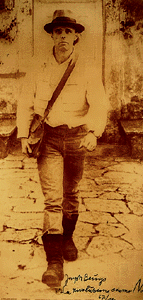
The performance artists we will cover in this course are Joseph Beuys, Vito Acconci, Chris Burden, and Hannah Wilke. Other important performance artists include Eleanor Antin, Dennis Oppenheim, Karen Findley, Otto Muehl, Herman Nitsch, Rebecca Horn, Gilbert and George, and Carolee Schneemann.
Page author: A.E.